
Как безопасно использовать надувную лодку в различных погодных условиях
Дата выпуска:2025-12-03 04:01:10
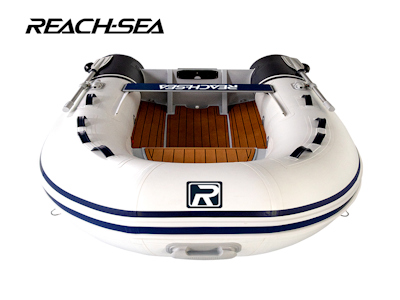
Надувные лодки стали популярным выбором для многих любителей водного отдыха благодаря своей портативности, доступности и универсальности. Однако, несмотря на их удобство, безопасное использование в различных погодных условиях требует особого внимания и подготовки. В этой статье мы подробно рассмотрим ключевые аспекты безопасности при использовании надувных лодок, включая выбор подходящей погоды, подготовку снаряжения, действия в экстренных ситуациях и многое другое. Цель — предоставить читателям практические советы, которые помогут наслаждаться водными приключениями без лишних рисков.
1. Введение в тему безопасности на воде
Безопасность на воде — это не просто набор правил, а образ мышления, который должен стать привычкой для каждого, кто выходит на воду. Надувные лодки, хотя и кажутся простыми в использовании, могут быть подвержены различным опасностям, особенно при изменчивых погодных условиях. По статистике, большинство инцидентов на воде происходят из-за неподготовленности или игнорирования погодных предупреждений. Поэтому понимание основ безопасности — это первый шаг к ответственному отдыху.
В этой статье мы углубимся в детали, начиная с выбора лодки и заканчивая советами по выживанию в шторм. Мы также обсудим, как погода влияет на устойчивость лодки, и предоставим примеры из реальной жизни, чтобы иллюстрировать важность подготовки. Помните: безопасность — это не только ваша ответственность, но и забота о ваших спутниках и окружающей среде.
2. Выбор подходящей надувной лодки
Перед тем как отправиться на воду, важно выбрать лодку, которая соответствует вашим needs и погодным условиям. На рынке представлены различные типы надувных лодок: от простых одноместных моделей для спокойных озер до более robust options для морских условий. Ключевые факторы при выборе включают размер, материал (например, ПВХ или Hypalon), грузоподъемность и наличие дополнительных features, таких как multiple air chambers для повышения безопасности.
Для использования в переменчивую погоду рекомендуется выбирать лодки с reinforced construction и self-bailing systems, которые помогают справляться с волнами. Также обратите внимание на сертификаты безопасности, такие как CE marking в Европе, которые гарантируют, что лодка прошла тесты на durability. Не экономьте на качестве — дешевые лодки могут не выдержать внезапных изменений погоды, putting you at risk.
3. Подготовка к выходу на воду: проверка снаряжения
Подготовка — это половина успеха в обеспечении безопасности. Перед каждым выходом тщательно проверяйте лодку на наличие повреждений, утечек или износа. Используйте насос для накачивания до recommended pressure, указанного производителем. Перегруженная лодка менее stable, поэтому убедитесь, что вес пассажиров и груза не превышает maximum capacity.
Кроме того, соберите essential safety gear: спасательные жилеты для всех onboard, signaling devices like a whistle or flare, first aid kit, and a means of communication such as a waterproof VHF radio or mobile phone in a dry bag. Если планируете длительное плавание, возьмите extra paddles, anchor, and weather radio для отслеживания forecasts. Помните: даже в ясный день погода может change rapidly, so always be prepared for the worst.
4. Понимание погодных условий и их влияния
Погода играет crucial role в безопасности на воде. Различные conditions требуют different approaches. Например, в спокойную, солнечную погоду лодка stable и управляема, но даже легкий ветер can create waves that challenge stability. В ветреную погоду avoid open waters and stick to sheltered areas. Дождь может сделать surfaces slippery и reduce visibility, while fog can disorient even experienced boaters.
Используйте weather apps или local forecasts чтобы планировать trips. Learn to read signs in nature: dark clouds, rising wind, or sudden drops in temperature often indicate approaching storms. Если погода ухудшается, don't hesitate to turn back. Многие accidents happen because people underestimate weather changes. В следующих разделах мы detail specific strategies for different conditions.
5. Безопасность в спокойную погоду: базовые советы
В ясные, безветренные дни надувная лодка ideal для relaxing paddles или fishing. Однако расслабленность не должна lead to complacency. Always wear a life jacket, even if you're a strong swimmer. Stay within sight of shore and avoid areas with heavy boat traffic. Проверяйте лодку periodically for any signs of deflation.
Если water is cold, dress appropriately to prevent hypothermia. Use sunscreen and hats to protect from sun exposure. Keep a slow and steady pace to conserve energy. These simple habits can prevent minor issues from escalating. Remember, calm weather is the best time to practice emergency drills, such as man overboard procedures.
6. Действия в ветреную погоду: как сохранить устойчивость
Ветер — один из самых challenging elements для надувных лодок. Он может cause drift, make steering difficult, and even capsize the boat if not handled properly. В ветреную погоду, paddle into the wind when possible to maintain control. Avoid broadside to waves, as this increases the risk of rolling.
Если ветер усиливается, seek shelter immediately. Use a sea anchor or drift anchor to stabilize the boat. Reduce speed and keep a low center of gravity by sitting or kneeling instead of standing. Если лодка начинает take on water, bail it out promptly. Training in wind conditions with an experienced boater can build confidence and skills.
7. Риски в дождливую и туманную погоду
Дождь и туман reduce visibility and make surfaces slippery, increasing the risk of accidents. В дождь, ensure everyone wears waterproof clothing to stay dry and warm. Use a bilge pump if water accumulates in the boat. Туман can be particularly dangerous; if caught in fog, stop moving and use a whistle or horn to signal your presence.
Navigate slowly and use a compass or GPS to maintain direction. Avoid areas with rocks or other hazards that might be hidden. If possible, wait for the weather to clear before proceeding. These conditions test your patience and preparedness, so always have a plan B.
8. Опасности грозы и молнии
Грозы pose a severe threat due to lightning, strong winds, and heavy rain. If you hear thunder or see lightning, get off the water immediately. Water conducts electricity, making boats a potential target. Seek shelter on land, but avoid tall objects like trees.
If unable to reach shore, crouch low in the boat to minimize exposure. Turn off electronic devices to reduce risk. After the storm, check for damage before continuing. Thunderstorms can develop quickly, so monitor forecasts and err on the side of caution.
9. Экстремальные условия: волны и шторм
В штормовую погоду с высокими волнами, надувные лодки can be vulnerable. Waves can cause instability and even puncture the material. If caught in a storm, face the waves at an angle to reduce impact. Use paddles to maintain balance and avoid broaching.
Keep the boat light and distribute weight evenly. If capsizing occurs, stay with the boat and use it as a flotation device. Signal for help using flares or a mirror. Training in rough conditions with a guide is essential for handling such scenarios. Always prioritize returning to shore over continuing the journey.
10. Зимние условия: холод и лед
Использование надувных лодок в cold weather requires extra precautions. Cold water can lead to hypothermia quickly. Wear a drysuit or wetsuit, and use thermal layers. Check for ice on the water, as it can damage the boat or cause accidents.
Avoid areas with thin ice, and always have a means of quick exit. Keep emergency blankets and hot packs in your kit. Winter boating is for experienced individuals only; if unsure, stick to warmer seasons.
11. Техническое обслуживание и долгосрочная безопасность
Регулярное обслуживание prolongs the life of your boat and ensures safety. Clean the boat after each use to prevent mold and damage. Store it properly, away from direct sunlight and sharp objects. Inspect seams and valves for wear.
Replace parts as needed, and consider professional servicing annually. Keep a log of inspections and repairs. This proactive approach reduces the risk of failures during trips.
12. Психологические аспекты: сохранять спокойствие в кризисных ситуациях
В emergency, panic can be more dangerous than the situation itself. Practice deep breathing and stay focused on solutions. Communicate clearly with others onboard. Training and experience build mental resilience, making it easier to handle stress.
Share stories and lessons with fellow boaters to learn from others. A calm mind can save lives in critical moments.
13. Заключение: итоги и призыв к действию
Безопасное использование надувной лодки в различных погодных условиях demands knowledge, preparation, and respect for nature. By following the tips outlined—choosing the right equipment, monitoring weather, and practicing emergency procedures—you can enjoy water activities with confidence.
Start small, gain experience, and always prioritize safety. Share this knowledge with others to promote a culture of responsibility on the water. Happy and safe boating!
Для дальнейшего обучения, consider taking a boating safety course or joining local clubs. Resources like government websites and boating associations offer valuable information. Stay updated on new safety technologies and regulations.
Предыдущая статья: Надежная гарантия на надувные лодки ваша безопасность на воде
Следующий пост: Как выбрать надежную лодку ПВХ для перевозки
 1388xx888xx