
Идеи дизайна надувных лодок для максимальной комфортности и надежности
Дата выпуска:2025-12-07 08:01:10
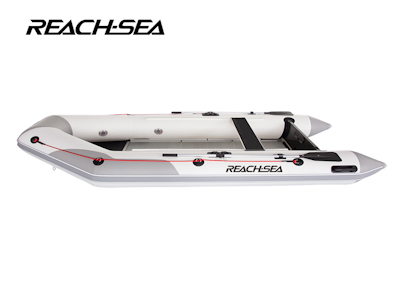
Надувные лодки уже давно перестали быть простыми средствами для рыбалки или коротких прогулок по воде. Сегодня они представляют собой высокотехнологичные изделия, способные обеспечить не только безопасность, но и непревзойденный комфорт во время длительных путешествий, спортивных соревнований или просто отдыха на природе. В этой статье мы подробно рассмотрим ключевые идеи дизайна, которые делают современные надувные лодки максимально комфортными и надежными, а также поделимся советами по выбору и использованию.
Введение: почему дизайн имеет значение
Дизайн надувной лодки — это не просто эстетика. Это комплексный подход к созданию продукта, который учитывает все аспекты использования: от материалов и конструкции до эргономики и дополнительных функций. Хороший дизайн обеспечивает устойчивость лодки на воде, удобство управления, простоту транспортировки и, конечно же, безопасность пассажиров. В последние годы производители активно внедряют инновации, такие как использование современных полимеров, модульных систем и smart-технологий, что выводит комфорт и надежность на новый уровень.
Например, лодки брендов like Zodiac или Sevylor incorporate advanced design elements that reduce weight while increasing durability. This is achieved through meticulous engineering and testing, ensuring that every curve and seam serves a purpose. Whether you're a professional fisherman or a weekend adventurer, understanding these design principles can help you make an informed choice and enhance your overall experience on the water.
Исторический контекст: эволюция дизайна надувных лодок
Надувные лодки имеют богатую историю, dating back to ancient times when animal skins were used for flotation. However, the modern era began in the early 20th century with the invention of rubberized fabrics. Initially, designs were rudimentary—simple tubes connected by a floor, often unstable and prone to leaks. Over time, innovations like PVC materials, multiple air chambers, and rigid hulls transformed them into reliable vessels.
In the 1950s and 60s, companies like Avon and Achilles pioneered designs with improved stability and comfort, incorporating features such as inflatable seats and storage compartments. The 1980s saw the rise of hypalon and PVC coatings, which offered better resistance to UV rays and abrasion. Today, we're in the age of high-tech composites and computer-aided design (CAD), allowing for precise optimization of shape, weight, and performance.
This evolution highlights how design has always been driven by the dual goals of comfort and reliability. Early designs focused on basic functionality, but as materials and manufacturing processes advanced, designers could prioritize ergonomics, aesthetics, and user-friendly features. For instance, the introduction of pointed bows and V-shaped hulls improved speed and handling, while wider beams enhanced stability for fishing or lounging.
Ключевые аспекты дизайна для комфорта
Эргономика сидений и布局
Одним из самых важных элементов комфорта в надувной лодке является seating. Modern designs often feature adjustable, inflatable seats with back support, similar to those in quality outdoor furniture. These seats are strategically placed to distribute weight evenly, reduce fatigue during long trips, and provide a comfortable posture for activities like fishing or rowing. Some high-end models even include ergonomic contours and memory foam layers, though these are less common due to weight constraints.
Layout is equally crucial. A well-designed boat might have multiple seating options, such as bench seats for group outings or individual swivel seats for anglers. The placement of footrests, storage compartments, and grab handles also contributes to overall comfort. For example, a layout that allows easy movement around the boat prevents accidents and makes it more enjoyable for socializing or handling gear.
In terms of materials, seats are often made from durable, waterproof fabrics like polyester or nylon, with reinforced stitching to prevent tears. Some designs incorporate non-slip surfaces to keep passengers secure in rough conditions. Additionally, modular systems allow users to customize the layout based on their needs, adding or removing seats as required—a feature that enhances versatility and comfort for different scenarios.
Амортизация и стабильность
Comfort isn't just about sitting; it's about how the boat handles on water. Design elements that improve stability, such as a wide beam or low center of gravity, reduce rocking and make for a smoother ride. Inflatable tubes act as natural shock absorbers, cushioning impacts from waves or wakes. This is particularly beneficial in choppy waters, where a rigid boat might jar passengers.
Advanced designs include multiple air chambers with independent inflation, which not only boosts safety but also allows for fine-tuning the boat's firmness. Softer chambers can provide a more cushioned experience, while firmer ones offer better performance for speed. Some models feature pressure release valves to maintain optimal inflation automatically, ensuring consistent comfort without manual adjustments.
Moreover, the shape of the hull plays a significant role. Pontoon-style designs with large, rounded tubes maximize stability, making them ideal for leisure activities. In contrast, performance-oriented boats might have sleeker, narrower profiles for faster movement but less inherent comfort. Balancing these factors is key to a design that prioritizes user comfort without sacrificing functionality.
Климат-контроль и защита от элементов
For ultimate comfort, modern inflatable boats often include features to protect against weather conditions. This can range from simple add-ons like Bimini tops or covers to integrated systems such as insulated floors or heating elements in premium models. While not common due to power requirements, some electric-powered boats offer climate control for extended trips.
Designs also focus on ventilation and shade. Large open layouts allow for airflow, reducing stuffiness on hot days, while built-in shades or attachment points for umbrellas provide relief from the sun. In colder climates, designs might incorporate windbreaks or enclosures to keep passengers warm. These elements are often modular, allowing users to adapt the boat to seasonal changes.
Additionally, non-slip flooring materials like PVC or rubberized coatings enhance comfort by preventing slips and providing a soft surface underfoot. Some boats even have carpeted sections for a homely feel, though these require more maintenance. Overall, climate-related design choices ensure that comfort is maintained regardless of external conditions.
Ключевые аспекты дизайна для надежности
Материалы и construction
Надежность начинается с materials. Modern inflatable boats are typically made from PVC, hypalon, or polyurethane, each offering distinct advantages. PVC is cost-effective and resistant to UV and abrasion, making it popular for recreational use. Hypalon, though more expensive, excels in durability and flexibility, often used in professional or military applications. Polyurethane is lightweight and highly resistant to oils and chemicals, ideal for specialized uses.
The construction process involves heat-welding or gluing seams to ensure they are watertight and strong. Reinforced areas, such as where oarlocks or motors are attached, prevent tears under stress. Designs also include multiple air chambers—usually three or more—so that if one is punctured, the boat remains afloat. This redundancy is a critical safety feature that directly enhances reliability.
Furthermore, coatings and treatments protect against environmental damage. UV-resistant layers prevent degradation from sun exposure, while anti-fungal treatments inhibit mold growth in humid conditions. Regular maintenance, such as cleaning and proper storage, extends the life of these materials, but good design minimizes the need for frequent upkeep.
Structural integrity and hull design
The hull is the backbone of any boat's reliability. In inflatables, hull design varies from soft, flexible floors to rigid or aluminum options. Soft floors are lightweight and easy to store but may lack stability in rough waters. Rigid hulls, often made from aluminum or fiberglass, provide better performance and durability, though they add weight and cost.
Innovations like air deck floors—inflatable panels that become rigid when pressurized—offer a compromise, combining portability with improved structural integrity. These designs distribute weight evenly and reduce the risk of damage from impacts. Additionally, the shape of the hull affects reliability; for instance, a deep-V design cuts through waves more efficiently, reducing stress on the material and enhancing longevity.
Testing under extreme conditions is part of the design process. Reputable manufacturers subject prototypes to rigorous trials, including overload tests, puncture resistance assessments, and long-term exposure to elements. This ensures that the final product can withstand real-world use, from rocky shores to open ocean adventures.
Системы безопасности и redundancy
Reliability is synonymous with safety. Design features such as multiple air chambers, quick-release valves, and reinforced grab lines are standard in quality boats. These elements ensure that even in emergencies, the boat remains operational and passengers can evacuate safely.
Redundancy is built into critical systems. For example, separate inflation points for each chamber allow for isolated repairs. Some designs include backup manual pumps or CO2 inflation systems for rapid deployment. Electronic monitoring systems, though rare in inflatables, are emerging in high-end models to alert users to pressure drops or leaks.
Additionally, design considerations for attachment points—such as for anchors, ropes, or safety gear—prevent failure under load. Strong D-rings and welded patches distribute force evenly, reducing the risk of tearing. These details might seem small, but they collectively contribute to a boat's overall reliability and user confidence.
Инновации в дизайне: будущее комфорта и надежности
The future of inflatable boat design is bright, with innovations focusing on smart materials and technology. For instance, self-healing polymers that automatically seal small punctures are in development, potentially eliminating the need for patches. Similarly, integrated solar panels could power accessories like GPS or lights, enhancing comfort for extended trips.
Modular designs are becoming more popular, allowing users to customize their boats with add-ons such as fishing rod holders, coolers, or even sleeping platforms. This flexibility maximizes comfort by tailoring the boat to specific activities. Virtual reality and CAD tools enable designers to simulate performance under various conditions, leading to more optimized shapes and materials.
Another trend is the use of eco-friendly materials, such as recycled PVC or bio-based polymers, which appeal to environmentally conscious consumers. These materials often maintain or even improve durability while reducing the ecological footprint. As technology advances, we can expect inflatable boats to become lighter, stronger, and more comfortable, blurring the line between traditional boats and inflatables.
Практические советы по выбору и использованию
When selecting an inflatable boat for comfort and reliability, consider your primary use. For fishing, look for models with stable layouts and attachment points for gear. For family outings, prioritize spacious designs with comfortable seating. Always check the material specifications and warranty—durability often correlates with price.
Proper maintenance is key to longevity. Store the boat deflated in a cool, dry place, away from sharp objects. Regularly inspect for leaks and clean with mild soap and water. Avoid over-inflation, which can stress seams, and follow manufacturer guidelines for weight limits and inflation pressures.
In use, distribute weight evenly to maintain stability and reduce wear. For added comfort, invest in accessories like cushions, anchors, or electric pumps. Remember that even the best design can be compromised by poor handling, so take time to learn how to operate your boat safely.
Заключение: баланс комфорта и надежности
В заключение, дизайн надувных лодок для максимальной комфортности и надежности — это искусство баланса между innovation and practicality. By focusing on ergonomics, materials, and safety features, manufacturers create products that cater to diverse needs, from leisurely paddling to adventurous expeditions. As technology evolves, we can anticipate even greater advancements that will make inflatable boats an indispensable part of water-based recreation.
Whether you're a novice or an expert, understanding these design principles empowers you to choose a boat that offers both comfort and peace of mind. Embrace the innovations, maintain your equipment, and enjoy the freedom that a well-designed inflatable boat provides. The water awaits—comfortably and reliably.
Предыдущая статья: Катаетесь на лодке без страха открывая новые горизонты
Следующий пост: Как выбрать лодку пвх по грузоподъемности важные советы
 1388xx888xx