充气船缺点揭秘10大隐患你可能忽略了
Дата выпуска:2025-12-08 20:01:10
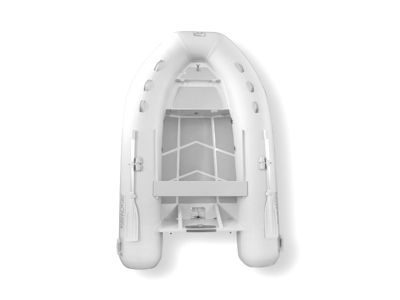
Надувные лодки часто воспринимаются как удобное и доступное решение для водных приключений, но за их внешней привлекательностью скрываются серьезные недостатки, которые могут поставить под угрозу вашу безопасность и удовольствие. В этой статье мы подробно исследуем 10 основных скрытых рисков надувных лодок, предоставляя вам всесторонний анализ, основанный на фактах и экспертном мнении. От проблем с долговечностью до вопросов технического обслуживания — мы раскроем все, что вам нужно знать, чтобы избежать неприятных сюрпризов на воде. Читайте дальше, чтобы защитить себя и своих близких, и сделать осознанный выбор при покупке или использовании надувной лодки.
1. Низкая долговечность и уязвимость к повреждениям
Одним из самых значительных недостатков надувных лодок является их ограниченная долговечность. В отличие от жестких лодок, изготовленных из таких материалов, как алюминий или стеклопластик, надувные лодки обычно делаются из ПВХ, Hypalon или аналогичных синтетических материалов. Хотя эти материалы могут быть прочными, они подвержены проколам, порезам и износу от острых предметов, камней или даже солнечного света. Ультрафиолетовое излучение может постепенно разрушать материал, вызывая его выцветание, ослабление и, в конечном итоге, снижение прочности. Исследования показывают, что средний срок службы надувной лодки при интенсивном использовании составляет всего 5-10 лет, в то время как жесткие лодки могут служить десятилетиями. Это делает надувные лодки менее надежными для долгосрочных инвестиций, особенно если вы планируете частые поездки в суровых условиях. Регулярные осмотры и бережное обращение необходимы, чтобы минимизировать риски, но даже при этом всегда существует вероятность внезапного отказа, который может привести к опасным ситуациям на воде.
2. Сложности с техническим обслуживанием и ремонтом
Техническое обслуживание надувных лодок может быть более сложным и трудоемким, чем кажется на первый взгляд. В отличие от жестких лодок, где ремонт часто сводится к простой сварке или замене деталей, надувные лодки требуют специальных навыков и инструментов для устранения проколов или разрывов. Например, для ремонта небольших повреждений необходимо использовать заплатки и клей, совместимые с материалом лодки, что может быть не всегда доступно в полевых условиях. Более того, если повреждение значительное, такой ремонт может быть лишь временным решением, и в конечном итоге потребуется профессиональная помощь или даже замена всей лодки. Это не только увеличивает затраты, но и создает неудобства, особенно если вы находитесь вдали от цивилизации. Регулярное обслуживание, такое как проверка давления воздуха и очистка от грязи, также обязательно, чтобы предотвратить преждевременный износ. Пренебрежение этими аспектами может быстро привести к снижению производительности и безопасности лодки.
3. Ограниченная устойчивость и маневренность
Надувные лодки, особенно небольшие модели, часто страдают от проблем с устойчивостью и маневренностью по сравнению с жесткими аналогами. Их гибкая конструкция делает их более подверженными качке и неустойчивости в ветреную погоду или на волнах. Это может быть особенно опасно для новичков или при перевозке тяжелых грузов, так как увеличивает риск опрокидывания. Кроме того, аэродинамическая форма надувных лодок обычно менее эффективна, что приводит к более высокому сопротивлению воды и снижению скорости при использовании моторов. Исследования в области морской инженерии показывают, что надувные лодки в среднем на 10-20% медленнее, чем жесткие лодки аналогичного размера, при том же двигателе. Это ограничивает их usefulness для таких activities, как рыбалка или спасательные операции, где точность и скорость crucial. Если вы планируете активное использование на открытой воде, эти недостатки могут significantly impact your experience and safety.
4. Риски, связанные с безопасностью: утечки и дефляция
Безопасность является paramount при любых водных activities, и надувные лодки представляют unique risks due to their reliance on air pressure. Самая очевидная опасность — это внезапная дефляция или утечка воздуха, которая может произойти из-за прокола, manufacturing defects, или даже changes in temperature. Если лодка начинает терять воздух while you're on water, это can quickly lead to instability, затопление, или полная loss of buoyancy, putting lives at risk. Статистика incidents показывает, что надувные лодки involved in a higher percentage of accidents related to equipment failure compared to rigid boats. To mitigate this, it's essential to always carry repair kits, pumps, and personal flotation devices, but even with precautions, the inherent vulnerability remains. Additionally, the process of inflating and deflating the boat can be time-consuming and requires careful attention to pressure levels; over-inflation can stress the seams and cause bursts, while under-inflation reduces performance. This constant need for vigilance adds an extra layer of complexity that many users underestimate, potentially leading to complacency and increased danger.
5. Ограничения по грузоподъемности и пространству
Надувные лодки generally have lower weight capacities and less usable space than rigid boats of similar size. The flexible walls and air-filled chambers take up interior volume, reducing the area available for passengers, gear, or storage. For example, a typical 3-meter inflatable boat might have a capacity of only 300-400 kg, including people and equipment, whereas a rigid boat of the same length could handle significantly more. This limitation can be a major drawback for activities like fishing, camping, or transporting goods, where space and weight are critical factors. Moreover, the distribution of weight is more sensitive in inflatables; uneven loading can cause instability or even damage to the structure. If you're planning to use the boat for family outings or commercial purposes, these constraints might force you to choose a larger model, which in turn increases cost and complexity. It's important to carefully calculate your needs before purchase to avoid disappointment and potential safety issues on the water.
6. Влияние погодных условий: тепло, холод и УФ-излучение
Погодные условия can severely affect the performance and longevity of inflatable boats. High temperatures can cause the air inside to expand, increasing pressure and risking bursts if not monitored closely. Conversely, cold weather can lead to contraction, reducing buoyancy and making the boat feel sluggish. Ultraviolet (UV) radiation from the sun is particularly damaging; prolonged exposure can degrade the material, causing it to become brittle and prone to cracking. Studies indicate that UV damage can reduce the lifespan of an inflatable boat by up to 30% if not protected with covers or UV-resistant coatings. Additionally, wind and waves can exacerbate stability issues, as mentioned earlier, making inflatables less suitable for rough conditions. If you live in a region with extreme weather, these factors might make an inflatable boat a poor choice compared to a more robust rigid alternative. Always consider the local climate and storage options to minimize environmental impacts.
7. Шум и комфорт: вибрации и дискомфорт при использовании
Надувные лодки often produce more noise and vibration than rigid boats, which can detract from the overall comfort and enjoyment of your time on the water. The flexible material tends to amplify sounds from the motor, water slapping against the sides, or even footsteps inside the boat. This can be irritating during long trips or when trying to enjoy peaceful activities like bird watching or fishing. Moreover, the lack of a solid hull means that vibrations from the engine are more directly transmitted to the passengers, leading to a bumpier ride. In terms of comfort, inflatables usually have less insulation, making them colder in cool weather and hotter in the sun, unless additional accessories like seats or covers are used. These factors might seem minor, but they can significantly impact your experience, especially if you value quiet and relaxation on the water. For those seeking a smooth and comfortable ride, a rigid boat might be a better investment.
8. Стоимость владения: скрытые расходы на аксессуары и замену
While inflatable boats are often marketed as affordable options, the total cost of ownership can be higher than expected due to hidden expenses. Initial purchase price might be lower, but you'll need to invest in accessories such as pumps, repair kits, storage bags, and possibly a trailer for transportation. Over time, the need for frequent repairs or replacement parts can add up, especially if the boat is used intensively. For instance, a single professional repair for a major puncture can cost anywhere from $100 to $500, depending on the damage. Additionally, the shorter lifespan means you might need to replace the boat sooner than a rigid one, leading to higher long-term costs. When comparing options, it's crucial to factor in these ongoing expenses rather than just the upfront price. This makes inflatable boats less economical for serious boaters who plan to use their vessel regularly over many years.
9. Ограничения по использованию: не подходят для всех видов деятельности
Надувные лодки are not versatile enough for all types of water activities. They excel in calm, inland waters like lakes or slow-moving rivers, but are less suitable for open ocean, whitewater rafting, or high-speed pursuits. Their design limits their ability to handle strong currents, large waves, or abrasive environments, which can quickly cause damage. For example, using an inflatable boat in rocky rivers increases the risk of punctures, while in the ocean, waves can easily overwhelm its stability. Furthermore, they are not ideal for activities that require precise maneuvering, such as docking in tight spaces or navigating through obstacles. If your boating plans include diverse conditions, a rigid boat or a specialized inflatable with reinforced features might be necessary, but this comes at a higher cost. Always assess your intended use before choosing an inflatable to ensure it matches your needs and avoids unnecessary risks.
10. Психологические аспекты: восприятие надежности и доверия
Lastly, there's a psychological factor to consider: the perception of reliability and trust in an inflatable boat. Many users report feeling less secure in an inflatable compared to a rigid boat, due to the visible flexibility and knowledge that it could deflate. This anxiety can reduce enjoyment and lead to overcautious behavior, which might limit your adventures. Studies in human factors engineering show that confidence in equipment directly affects performance and safety; if you don't trust your boat, you're more likely to make errors or avoid challenging situations. Building trust requires experience and proper maintenance, but for newcomers, this learning curve can be steep. Additionally, resale value of inflatable boats tends to be lower because of these perceived risks, making them a poorer investment if you plan to upgrade later. Addressing these psychological barriers through education and practice is key, but it's an often-overlooked downside that can impact your overall satisfaction.
Заключение: как минимизировать риски и сделать правильный выбор
В заключение, надувные лодки предлагают портативность и доступность, но come with significant drawbacks that should not be ignored. From durability issues and maintenance challenges to safety risks and limited versatility, these 10 hidden隐患 highlight the importance of informed decision-making. To minimize risks, always choose high-quality models from reputable brands, perform regular inspections, and invest in necessary accessories like repair kits and pumps. Consider your specific needs: if you prioritize ease of storage and occasional use, an inflatable might suffice, but for serious boating, a rigid boat could be a better long-term solution. Educate yourself on proper inflation techniques and weather considerations to enhance safety. Ultimately, by understanding these缺点, you can enjoy your time on the water with greater confidence and avoid potential disasters. Remember, knowledge is your best defense against the overlooked dangers of inflatable boats.
Предыдущая статья: Как успешно экспортировать надувные лодки на мировые рынки
Следующий пост: Как импортировать надувные лодки в Россию легально
 1388xx888xx