Самые важные стандарты надувных лодок для рыбалки
Дата выпуска:2025-12-20 08:01:10
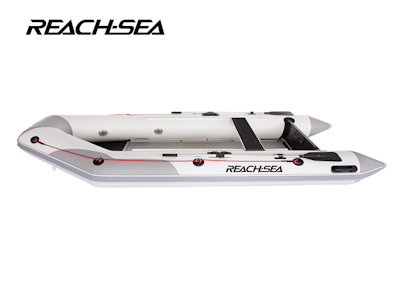
Рыбалка — это не просто хобби, а целая философия, увлекательное приключение, которое объединяет миллионы людей по всему миру. Для многих это способ отдохнуть от городской суеты, насладиться природой и, конечно же, поймать свой трофейный улов. Но чтобы рыбалка была не только приятной, но и безопасной, важно правильно выбрать снаряжение, и одним из ключевых элементов здесь является надувная лодка. Она предоставляет свободу передвижения по воде, доступ к труднодоступным местам и комфорт во время долгих часов ожидания поклевки. Однако не все лодки созданы равными — их качество, надежность и долговечность напрямую зависят от соблюдения определенных стандартов. В этой статье мы подробно разберем самые важные стандарты надувных лодок для рыбалки, чтобы помочь вам сделать осознанный выбор и наслаждаться каждым моментом на воде без лишних рисков.
1. Введение в мир надувных лодок для рыбалки
Надувные лодки стали неотъемлемой частью рыболовного сообщества благодаря своей портативности, легкости и универсальности. Они идеально подходят для различных водоемов: от спокойных озер и рек до более challenging морских условий. История надувных лодок насчитывает десятилетия, начиная с простых резиновых конструкций, используемых военными и спасательными службами, и evolving в sophisticated изделия, которые мы видим сегодня. Современные лодки изготавливаются из высокотехнологичных материалов, таких как ПВХ (поливинилхлорид) или Hypalon, которые обеспечивают exceptional прочность, устойчивость к UV-излучению и punctures.
Но почему стандарты так важны? Представьте себе: вы находитесь в середине озера, наслаждаясь тишиной и ожидая улова, как вдруг лодка начинает терять воздух из-за некачественного шва или материала. Это не только испортит ваш день, но и может представлять реальную опасность для жизни. Стандарты существуют именно для того, чтобы минимизировать такие риски. Они регулируют everything от толщины материала и прочности швов до capacity лодки и additional features, таких как клапаны для надувания или дренажные системы. Соблюдение этих стандартов гарантирует, что лодка будет withstand нагрузки, environmental factors и provide reliable performance в любых условиях.
В рыбалке, где каждая деталь имеет значение, выбор лодки, соответствующей high standards, может significantly enhance ваш опыт. Это не только вопрос комфорта, но и инвестиция в вашу безопасность. В следующих разделах мы углубимся в specific стандарты, covering materials, construction, safety, and more, чтобы вы могли confidently выбрать лодку, которая будет служить вам верой и правдой годами.
2. Основные материалы и их стандарты
Материал, из которого изготовлена надувная лодка, является фундаментом её durability и performance. Наиболее распространенные материалы включают ПВХ, Hypalon (неопрен), и полиуретан, каждый со своими unique properties и standards.
ПВХ (поливинилхлорид) — это popular choice due to its affordability and good balance of strength and flexibility. Стандарты для ПВХ лодок often specify толщину материала, измеряемую в denier или grams per square meter (GSM). Например, high-quality лодки typically имеют толщину от 1000 до 1500 denier, что обеспечивает resistance to abrasion and punctures. Additionally, standards may require UV-resistant coatings to prevent degradation from sun exposure, which is crucial for fishing in open waters.
Hypalon, хотя и более expensive, offers superior durability and resistance to chemicals, oils, and extreme temperatures. Standards for Hypalon лодок focus on the quality of the rubber compound and the bonding processes used in construction. For instance, international standards like ISO 6185 outline requirements for material strength and aging tests, ensuring that the лодка maintains its integrity over time.
Полиуретан is another option, known for its lightweight and eco-friendly properties, but it is less common in fishing лодок due to lower puncture resistance. Standards here emphasize biodegradability and environmental impact, aligning with green initiatives.
Beyond the base material, standards also cover the inner layers and reinforcements. Many лодок feature multiple layers or fabrics with high-tenacity yarns to enhance strength. For example, a standard might require a minimum tensile strength of 2000 N/5cm for the material, tested according to methods like ASTM D5034. This ensures that the лодка can handle the stresses of fishing, such as pulling in heavy fish or navigating rough waters.
Adherence to these material standards is verified through certifications from organizations like CE (Conformité Européenne) or US Coast Guard, which provide peace of mind for consumers. When choosing a лодка, look for labels indicating compliance with these standards, as they are a hallmark of quality and reliability.
3. Конструкция и прочность: ключевые стандарты
Конструкция надувной лодки играет pivotal role in its overall performance and safety. Standards related to construction cover aspects such as seam strength, chamber design, and overall structural integrity.
Швы are critical points where leaks are most likely to occur. High-quality лодки use welded or glued seams that meet specific standards for strength. For instance, ISO 6185 requires that seams withstand a certain pressure without failure, often tested through burst pressure tests. A typical standard might mandate a minimum seam strength of 80% of the material's tensile strength, ensuring that the лодка remains airtight even under stress.
Камеры design is another area regulated by standards. Most fishing лодок have multiple independent air chambers, which provide redundancy in case one chamber is compromised. Standards often specify the number and size of chambers based on the лодка's intended use. For example, a лодка designed for offshore fishing might be required to have at least three chambers, each capable of keeping the лодка afloat if others fail. This is crucial for safety, as it prevents catastrophic sinking.
Overall structural integrity is assessed through load capacity and stability tests. Standards like CE certification categorize лодки into classes (e.g., A for ocean use, B for inland waters) based on their ability to handle waves and wind. Load capacity standards ensure that the лодка can safely carry a certain weight, including passengers, gear, and motor. For fishing, this is particularly important because anglers often carry heavy equipment like coolers, rods, and anchors.
Additionally, standards may address features like reinforced floors (e.g., aluminum or inflatable floors) and attachment points for fishing accessories. A well-constructed лодка with compliant design not only enhances durability but also improves the fishing experience by providing a stable platform for casting and reeling.
When evaluating a лодка, check for compliance with recognized construction standards, as they are indicative of a product that has undergone rigorous testing and is built to last.
4. Стандарты безопасности: то, что нельзя игнорировать
Безопасность должна быть paramount при выборе надувной лодки для рыбалки. Standards in this area are designed to protect users from accidents and ensure that the лодка can handle emergency situations.
One of the most critical safety standards is buoyancy and flotation. Organizations like the International Maritime Organization (IMO) and national bodies set requirements for minimum buoyancy based on the лодка's size and capacity. For example, a standard might require that the лодка remains afloat and stable even when completely swamped, providing time for rescue. This is often achieved through the use of multiple chambers and high-volume air retention.
Another key aspect is stability against capsizing. Standards test the лодка's ability to resist overturning in waves or due to sudden shifts in weight. Fishing often involves moving around, so a stable лодка reduces the risk of falling overboard. Tests might involve simulating conditions with weighted loads and measuring the angle of heel before capsizing.
Visibility is also addressed in safety standards. Many regulations require that лодки have reflective strips or bright colors to enhance visibility in low-light conditions, which is essential for fishing at dawn or dusk. Additionally, standards may mandate the inclusion of safety equipment like grab lines, lifelines, or even built-in compartments for storing personal flotation devices (PFDs).
For motorized лодок, safety standards extend to the mounting and operation of outboard motors. These include requirements for motor well design, throttle controls, and emergency stop mechanisms. Compliance with standards like those from the American Boat and Yacht Council (ABYC) ensures that the лодка is safe to operate with a motor, preventing accidents related to propulsion.
Lastly, standards often cover user instructions and warnings. A quality лодка will come with clear guidelines on inflation pressures, weight limits, and maintenance, helping users avoid common mistakes that could compromise safety.
By choosing a лодка that meets these safety standards, you not only protect yourself but also ensure a worry-free fishing trip where you can focus on the catch rather than potential hazards.
5. Сертификация и тестирование: как проверить качество
Чтобы гарантировать, что надувная лодка соответствует заявленным стандартам, производители подвергают её rigorous testing and certification processes. Understanding these can help you make an informed purchase.
Сертификация来自 organizations like CE (Europe), US Coast Guard (USA), or ISO (International Organization for Standardization) provides independent verification that a лодка meets specific safety and performance criteria. For instance, CE certification involves testing for buoyancy, stability, and construction integrity, and лодки are assigned a category (e.g., CE Category B for inland waters) that indicates their suitability for different environments.
Тестирование typically includes a variety of tests模拟 real-world conditions. Burst pressure tests check the material's strength by inflating the лодка to pressures higher than normal operating levels. Abrasion resistance tests involve rubbing the material against rough surfaces to simulate wear from rocks or docks. UV resistance tests expose the лодка to prolonged sunlight to ensure it doesn't degrade quickly.
Additionally, standards may require aging tests, where the лодка is subjected to cycles of inflation and deflation over time to assess long-term durability. For fishing лодок, tests might also include load capacity assessments, where weights are added to simulate passengers and gear, ensuring the лодка remains stable and afloat.
When shopping for a лодка, look for certification marks on the product or in the documentation. Reputable manufacturers often provide test reports or certificates of conformity. For example, a лодка with a CE mark has been tested to European standards, which are among the strictest in the world.
It's also wise to consider brands with a history of compliance and positive reviews from other anglers. Online forums and fishing communities can be valuable resources for firsthand experiences with different models.
By prioritizing certified and tested лодки, you invest in a product that has been proven to perform reliably, reducing the likelihood of failures that could spoil your fishing adventure.
6. Практические советы по выбору и использованию
Armed with knowledge of standards, here are some practical tips to help you choose and use your надувная лодка for fishing effectively.
First, assess your fishing needs. Consider the type of water you'll be on—calm lakes, rivers, or open sea—and choose a лодка with the appropriate certification (e.g., CE Category A for ocean use). Also, think about the size: smaller лодки are more portable but may have limited capacity, while larger ones offer more space but require more effort to transport and inflate.
Pay attention to material thickness and construction. Opt for лодки with high-denier PVC or Hypalon, and check that seams are well-made (preferably welded rather than glued). Look for features like multiple chambers, reinforced floors, and D-rings for attaching accessories like rod holders or anchors.
Inflation is key to performance. Use a high-quality pump and follow the manufacturer's recommended pressure levels. Over-inflation can stress the material, while under-inflation reduces stability. Some лодки come with pressure gauges built into the valves for precision.
Maintenance is crucial for longevity. Rinse the лодка with fresh water after use, especially if exposed to saltwater, to prevent corrosion and material degradation. Store it deflated in a cool, dry place away from direct sunlight to avoid UV damage. Regularly inspect for punctures or wear and repair them promptly with patch kits.
Safety should always be a priority. Wear a life jacket, carry a whistle or other signaling devices, and let someone know your fishing plans. Practice getting in and out of the лодка in shallow water to build confidence.
Finally, consider additional accessories that enhance fishing, such as swivel seats, storage compartments, or motor mounts. These can make your trips more comfortable and productive.
By following these tips and choosing a лодка that meets high standards, you'll enjoy countless successful fishing outings with peace of mind.
7. Заключение: инвестируйте в качество для незабываемой рыбалки
В заключение, выбор надувной лодки для рыбалки — это решение, которое should not be taken lightly. Соблюдение ключевых стандартов в материалах, конструкции, безопасности и сертификации ensures that you get a reliable, durable, and safe product that enhances your fishing experience.
Investing in a high-quality лодка might require a higher upfront cost, but it pays off in the long run through years of trouble-free use. Remember, fishing is about relaxation and enjoyment, and a subpar лодка can turn a dream day into a nightmare. By prioritizing standards, you not only protect yourself but also maximize your chances of landing that big catch.
We hope this guide has provided valuable insights into the most important standards for inflatable fishing boats. Whether you're a seasoned angler or a beginner, making an informed choice will lead to many memorable moments on the water. Happy fishing!
Для дальнейшего углубления в тему, рекомендуетсяconsult resources from organizations like ISO or national boating authorities, and always test your лодка in safe conditions before venturing far from shore.
Предыдущая статья: Как устранить прокол в надувной лодке быстро
Следующий пост: Секрет быстрого ремонта лодки ПВХ без специнструментов
 1388xx888xx