Как подобрать лучшую модель надувной лодки для рыбалки
Дата выпуска:2025-12-27 00:01:10
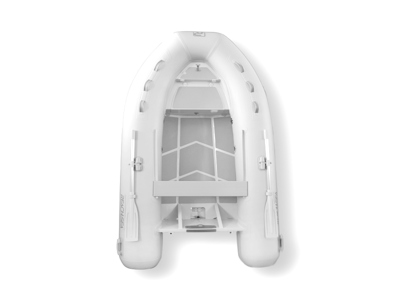
Рыбалка – это не просто хобби, а настоящее искусство, которое требует не только навыков и терпения, но и правильного снаряжения. Среди всего оборудования надувная лодка занимает особое место, поскольку она обеспечивает мобильность, доступ к труднодоступным местам и комфорт во время длительных вылазок. Однако выбор подходящей модели может оказаться сложной задачей из-за множества факторов: материала, размера, грузоподъемности, цены и многих других аспектов. В этой статье мы подробно разберем, как подобрать лучшую надувную лодку для рыбалки, чтобы ваше время на воде было максимально продуктивным и enjoyable.
1. Введение в мир надувных лодок для рыбалки
Надувные лодки существуют уже несколько десятилетий, и за это время они значительно эволюционировали. Изначально они использовались в основном для спасательных операций или recreational purposes, но сегодня они стали незаменимым инструментом для рыбаков. Преимущества надувных лодок очевидны: они легкие, компактные в сложенном виде, просты в транспортировке и хранении, а также относительно affordable compared to hard-shell boats. Кроме того, modern inflatable boats are made from durable materials like PVC or hypalon, which ensure longevity and resistance to punctures.
Однако не все надувные лодки созданы equal. Для рыбалки требуется модель, которая не только выдерживает вес рыбака и снаряжения, но и обеспечивает stability on water, especially in windy conditions or currents. Additionally, factors such as the number of air chambers, the type of floor (e.g., inflatable, wooden, or aluminum), and the availability of accessories like oars, pumps, and fishing rod holders play a crucial role in the overall experience.
В этой статье мы рассмотрим все эти аспекты step by step. Начнем с основ: почему именно надувная лодка? Затем перейдем к key parameters to consider, such as size, material, and design. After that, we'll discuss practical tips for testing and maintaining your boat, and finally, we'll provide recommendations for different budgets and fishing styles. By the end, you'll have a comprehensive understanding of how to choose the best inflatable boat for your fishing adventures.
2. Преимущества надувных лодок для рыбалки
Одним из главных преимуществ надувных лодок является их portability. Unlike traditional boats, which require a trailer or large storage space, inflatable boats can be deflated and packed into a compact bag, making them ideal for anglers who travel frequently or have limited storage at home. This portability also allows for easy access to remote fishing spots that are inaccessible by car or larger vessels.
Another significant advantage is affordability. While high-end models can be expensive, there are many budget-friendly options available that offer excellent performance. For example, a basic PVC inflatable boat might cost as little as $200, whereas a comparable hard-shell boat could start at $1000 or more. This makes inflatable boats accessible to a wider range of anglers, from beginners to experts.
Durability is also a key factor. Modern materials like PVC with reinforced layers or hypalon provide excellent resistance to abrasion, UV rays, and punctures. Many models come with multiple air chambers, which enhance safety – if one chamber is punctured, the others will keep the boat afloat. This is particularly important for fishing in areas with sharp rocks or debris.
Comfort should not be overlooked. Many inflatable boats are designed with ergonomic seats, ample space for gear, and stable platforms that reduce rocking on water. Some even come with fishing-specific features like rod holders, bait wells, and mounting points for electronics such as fish finders. This level of customization makes them versatile for various fishing techniques, from trolling to casting.
Environmental considerations are also worth mentioning. Inflatable boats have a smaller carbon footprint compared to motorized boats, as they often rely on oars or small electric motors. This makes them a greener choice for eco-conscious anglers. Additionally, their quiet operation minimizes disturbance to wildlife, allowing for a more immersive fishing experience.
In summary, the advantages of inflatable boats for fishing include portability, affordability, durability, comfort, and environmental friendliness. These benefits make them an excellent choice for anglers of all levels. However, to fully capitalize on these advantages, it's essential to choose the right model based on your specific needs.
3. Key Parameters to Consider When Choosing an Inflatable Boat
When selecting an inflatable boat for fishing, several parameters must be taken into account to ensure you get the best fit. Let's delve into each of these in detail.
3.1. Size and Capacity
The size of the boat is crucial as it determines how many people and how much gear it can accommodate. Inflatable boats are typically measured by length and width, and they come in various sizes, from small one-person models to larger ones that can hold up to 6 people. For fishing, a boat that is 10-12 feet long is often ideal, as it provides enough space for one or two anglers and their equipment without being too bulky.
Capacity refers to the maximum weight the boat can support, including passengers, gear, and motor if applicable. It's important to choose a boat with a capacity that exceeds your expected load to ensure safety and stability. For example, if you plan to fish alone with minimal gear, a capacity of 500-700 pounds might suffice, but for two people with extensive equipment, look for a capacity of 1000 pounds or more.
Consider the type of fishing you'll be doing. If you're targeting large fish species that require heavy tackle, you'll need a boat with higher capacity and stability. Conversely, for light fishing in calm waters, a smaller boat may be adequate.
3.2. Material and Construction
The material of the boat affects its durability, weight, and price. The most common materials are PVC (polyvinyl chloride) and hypalon. PVC boats are generally more affordable and lighter, but they may be less resistant to UV degradation over time. Hypalon, on the other hand, is more expensive but offers superior durability and resistance to chemicals and abrasion.
Construction quality is also important. Look for boats with reinforced seams, multiple layers of material, and robust valves. The number of air chambers is a safety feature – more chambers mean better redundancy in case of a puncture. For fishing, a boat with at least three separate air chambers is recommended.
The floor type is another consideration. Inflatable floors are lightweight and easy to set up, but they may lack rigidity. Wooden or aluminum floors provide a more stable platform, which is beneficial for standing and casting. However, they add weight and complexity to the setup.
3.3. Design and Features
The design of the boat should cater to fishing needs. Look for models with a stable hull shape, such as a V-hull or pontoon design, which offer better performance in choppy water. Additionally, features like fishing rod holders, storage compartments, and D-rings for attaching accessories can greatly enhance your fishing experience.
Consider the ease of inflation and deflation. Some boats come with high-pressure pumps that make setup quick, while others may require manual effort. For frequent use, a boat with a rapid inflation system is advantageous.
Accessories are often sold separately or included in packages. Common accessories include oars, pumps, repair kits, and carrying bags. Evaluate what's included and what you might need to purchase additionally.
3.4. Motor Compatibility
If you plan to use a motor, ensure the boat is compatible. Most inflatable boats can accommodate small outboard motors, typically up to 10 horsepower. Check the manufacturer's specifications for maximum motor size and mounting options. Electric motors are popular for fishing due to their quiet operation, but gas motors provide more power for longer trips.
Transom strength is critical for motor mounting. A reinforced transom will handle the stress of a motor better and prevent damage to the boat.
3.5. Price and Budget
Inflatable boats range from under $200 to over $2000, depending on size, material, and features. Set a budget based on your needs. For beginners, a mid-range model around $500-$800 often strikes a good balance between quality and cost. Remember to factor in the cost of accessories and any additional gear.
It's worth investing in a reputable brand known for quality and customer support. Brands like Intex, Sea Eagle, and Zodiac have strong reputations in the inflatable boat market.
4. Practical Tips for Testing and Maintenance
Once you've narrowed down your choices, it's important to test the boat if possible. Inflate it fully and check for any leaks or defects. Pay attention to the stability when you step in – it should feel secure without excessive rocking.
Maintenance is key to prolonging the life of your boat. After each use, rinse it with fresh water to remove salt, dirt, and debris. Store it deflated in a cool, dry place away from direct sunlight to prevent UV damage. Regularly inspect the material for signs of wear and tear, and keep a repair kit handy for minor punctures.
For long-term storage, consider using a protective cover or bag. Avoid folding the boat in the same way repeatedly to prevent creases that could weaken the material.
5. Recommendations for Different Fishing Styles
Depending on your fishing style, certain boats may be more suitable. For example:
- Bank Fishing or Small Waters: A compact, lightweight boat like the Intex Mariner 4 is ideal. It's easy to transport and set up for solo trips.
- Lake or River Fishing: A medium-sized boat with a stable hull, such as the Sea Eagle 370, offers good performance and capacity for two anglers.
- Offshore or Big Game Fishing: Consider a larger, hypalon boat with a high capacity and motor compatibility, like the Zodiac Cadet系列. These are built for rough conditions and heavy loads.
Always read reviews and seek advice from other anglers to find models that have proven reliable in similar conditions.
6. Conclusion
Choosing the best inflatable boat for fishing requires careful consideration of size, material, design, and budget. By understanding your needs and evaluating these parameters, you can select a boat that enhances your fishing experience, provides safety, and lasts for years. Remember to maintain your boat properly and enjoy the freedom and adventure that comes with fishing from your own vessel. Happy fishing!
This article has covered the essentials, but there's always more to learn. Stay curious, and don't hesitate to upgrade as your skills and preferences evolve. The world of inflatable boats is vast and continuously improving, offering endless opportunities for anglers to explore new waters and catch more fish.
Предыдущая статья: Представьте себе незабываемое приключение на большой надувной лодке
Следующий пост: Преимущества современных надувных лодок для активного отдыха
 1388xx888xx