
ВЫБОР РОДИТЕЛЕЙ ГИГАНТСКАЯ ИНФЛЯЦИЯ ДЕТСКИЙ НАДУВНОЙ КОРАБЛЬ
Дата выпуска:2025-12-31 16:01:10
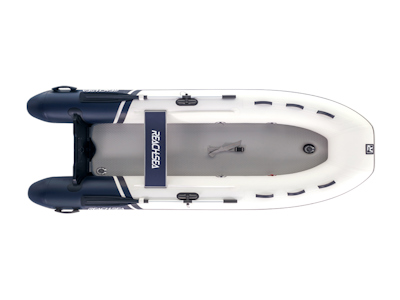
В современном мире экономические вызовы, такие как гигантская инфляция, оказывают глубокое влияние на повседневные решения, включая выбор родителей при покупке товаров для детей. Одним из ярких примеров является детский надувной корабль – продукт, который символизирует радость и развлечения, но также становится объектом финансовых расчетов в условиях растущих цен. Эта статья исследует, как инфляция меняет родительские предпочтения, анализирует экономические факторы и предлагает практические советы для семей, сталкивающихся с этими вызовами.
Инфляция, особенно в её гигантских масштабах, – это не просто экономический термин; это реальность, которая затрагивает каждую семью. Когда цены на товары и услуги стремительно растут, родители вынуждены пересматривать свои бюджеты и приоритеты. Детские товары, включая игрушки и развлекательные изделия, такие как надувной корабль, часто оказываются в центре внимания, поскольку они представляют собой не только расходы, но и инвестиции в счастливое детство. Однако в условиях инфляции даже такие, казалось бы, незначительные покупки становятся сложными решениями, требующими взвешенного подхода.
Исторически инфляция всегда была частью экономических циклов, но в последние годы её масштабы стали особенно ощутимыми. По данным международных организаций, такие как Международный валютный фонд, инфляция в многих странах достигла двузначных цифр, что вынуждает потребителей адаптироваться к новым реалиям. Для родителей это означает не только рост цен на основные necessities, такие как еда и жилье, но и на дополнительные items, включая игрушки. Надувной корабль, который раньше мог стоить относительно недорого, теперь может обходиться в сумму, сопоставимую с недельным бюджетом на продукты, что заставляет семьи задуматься о альтернативах или отложить покупку.
Выбор родителей в таких условиях становится не просто вопросом предпочтений, но и стратегическим решением. Они должны балансировать между желанием подарить ребенку радость и необходимостью экономить средства. Это приводит к изменениям в потребительском поведении: например, родители могут opt for более дешевые аналоги или искать скидки и акции. Кроме того, инфляция стимулирует innovation в производстве, поскольку компании стараются снизить costs чтобы оставаться конкурентоспособными. В случае с надувным кораблем, это может означать использование более дешевых материалов или упрощенного дизайна, что, в свою очередь, влияет на качество и безопасность продукта.
Экономические теории, такие как теория потребительского выбора, помогают объяснить эти процессы. Согласно ей, потребители максимизируют свою utility в рамках бюджетных ограничений. В условиях инфляции бюджетные ограничения ужесточаются, forcing родителей to make trade-offs. Например, вместо покупки нового надувного корабля, они могут выбрать аренду или shared использование с другими семьями, что отражает растущую популярность sharing economy. Это не только экономит деньги, но и promotes sustainability, что является дополнительным benefit в современном мире.
Психологический аспект также играет crucial role. Дети often не fully понимают экономические сложности, и их ожидания могут создавать дополнительное давление на родителей. To mitigate this, parents may engage in open discussions about money or find creative ways to provide entertainment without large expenses. For instance, instead of buying an expensive inflatable ship, they might organize a DIY project or visit a public park with free activities. This not only saves money but also fosters family bonding and teaches children valuable lessons about resourcefulness.
Looking at the broader context, giant inflation is often driven by factors such as supply chain disruptions, geopolitical tensions, or monetary policies. For example, the COVID-19 pandemic caused significant disruptions in global supply chains, leading to shortages and price increases for various goods, including children's products. Similarly, events like the war in Ukraine have exacerbated inflationary pressures worldwide. Understanding these macro factors can help parents anticipate future trends and plan their purchases more effectively. For instance, if inflation is expected to continue rising, it might be wiser to buy essential items sooner rather than later, but for non-essentials like an inflatable ship, waiting for sales or promotions could be a better strategy.
In terms of the inflatable ship itself, it's a product that embodies both fun and practicality. Typically made from durable materials like PVC, it can provide hours of entertainment for children, promoting physical activity and imaginative play. However, in an inflationary environment, the cost of raw materials and manufacturing increases, which is passed on to consumers. This means that even if parents decide to purchase one, they might opt for smaller sizes or simpler models to save money. Additionally, safety considerations become even more important, as cheaper alternatives might compromise on quality, leading to potential hazards. Therefore, parents should prioritize products that meet safety standards, even if it means spending a bit more.
From a marketing perspective, companies targeting parents need to adapt their strategies to address inflationary concerns. This could involve emphasizing value for money, offering flexible payment plans, or highlighting the durability and long-term benefits of their products. For example, an ad for an inflatable ship might focus on how it can be used for multiple seasons or shared among siblings, thus justifying the initial investment. Social media and influencer marketing can also play a role in building trust and demonstrating real-life usage, which can reassure parents about the product's worth.
Government policies and interventions can also influence parental choices. In some countries, subsidies or tax breaks for children's goods might alleviate the burden of inflation. However, such measures are not always available, and parents often have to rely on their own resourcefulness. Community support, such as toy libraries or swap events, can provide affordable alternatives and strengthen social bonds. This collective approach not only helps financially but also builds a sense of solidarity among families facing similar challenges.
In conclusion, the intersection of giant inflation and parental choice regarding items like an inflatable ship highlights the complex interplay between economics, psychology, and social factors. While inflation poses significant challenges, it also encourages creativity, frugality, and a reevaluation of what truly matters. By making informed decisions, seeking alternatives, and focusing on experiences rather than material possessions, parents can navigate these turbulent times while still providing joy and enrichment for their children. The key is to stay adaptable and proactive, turning obstacles into opportunities for growth and connection.
This discussion is just the beginning; as inflation continues to evolve, so too will the strategies families employ. Whether it's through budgeting apps, community initiatives, or simply a shift in mindset, parents are demonstrating resilience in the face of economic adversity. The inflatable ship, once a simple toy, now serves as a metaphor for the broader journey of parenting in an inflationary world – requiring balance, innovation, and a steadfast commitment to happiness despite the storms.
To delve deeper, let's consider specific examples. In Russia, where inflation has been particularly high in recent years, many families have turned to online marketplaces like Ozon or Wildberries to find discounts on children's goods. These platforms often offer flash sales or loyalty programs that can make purchases more affordable. Additionally, the rise of second-hand markets has gained popularity, with parents buying used inflatable ships in good condition at a fraction of the cost. This not only saves money but also reduces waste, aligning with environmental concerns.
Another aspect is the role of education. Teaching children about money management from a young age can help them understand why certain purchases are delayed or avoided. For instance, involving kids in setting savings goals for a desired toy can make the process more engaging and educational. This empowers them to become financially literate adults, capable of navigating future economic challenges. Moreover, schools and communities can organize workshops on budgeting and frugal living, providing practical tools for families.
Technological advancements also offer solutions. Apps that track prices and alert users to drops can help parents time their purchases optimally. For example, if an inflatable ship is on sale during a seasonal clearance, jumping on the opportunity can lead to significant savings. Similarly, virtual reality or augmented reality experiences might provide alternative forms of entertainment that are cost-effective and immersive, reducing the need for physical toys altogether.
However, it's important to acknowledge the emotional toll of inflation. Parents may feel guilt or stress when they cannot afford certain items for their children. Support networks, such as parenting groups or counseling services, can provide emotional relief and practical advice. Sharing experiences with others who are in similar situations can normalize these feelings and offer collective solutions.
In the long term, addressing the root causes of inflation requires broader economic policies, such as controlling money supply, investing in productivity, and fostering stable trade relations. While individual parents have limited control over these macro factors, they can advocate for policies that support families, such as increased child benefits or price controls on essential goods. Civic engagement and voting for representatives who prioritize economic stability can lead to systemic changes that benefit everyone.
Ultimately, the choice of parents in the face of giant inflation regarding a child's inflatable ship is a microcosm of larger societal issues. It reflects adaptability, love, and the relentless pursuit of happiness despite obstacles. By embracing flexibility, seeking community, and focusing on what truly enriches lives – relationships and experiences – families can not only survive but thrive in these challenging times.
This article has explored various dimensions, from economic theories to practical tips, aiming to provide a comprehensive understanding. As we move forward, let's remember that while inflation may be giant, the resilience and creativity of parents are even greater. The inflatable ship, symbolizing adventure and fun, remains a testament to the enduring spirit of family life, no matter the economic climate.
Предыдущая статья: Почему профессиональная установка надувной лодки сэкономит ваше время и деньги
Следующий пост: Почему важно своевременно обращаться за ремонтом надувных лодок
 1388xx888xx